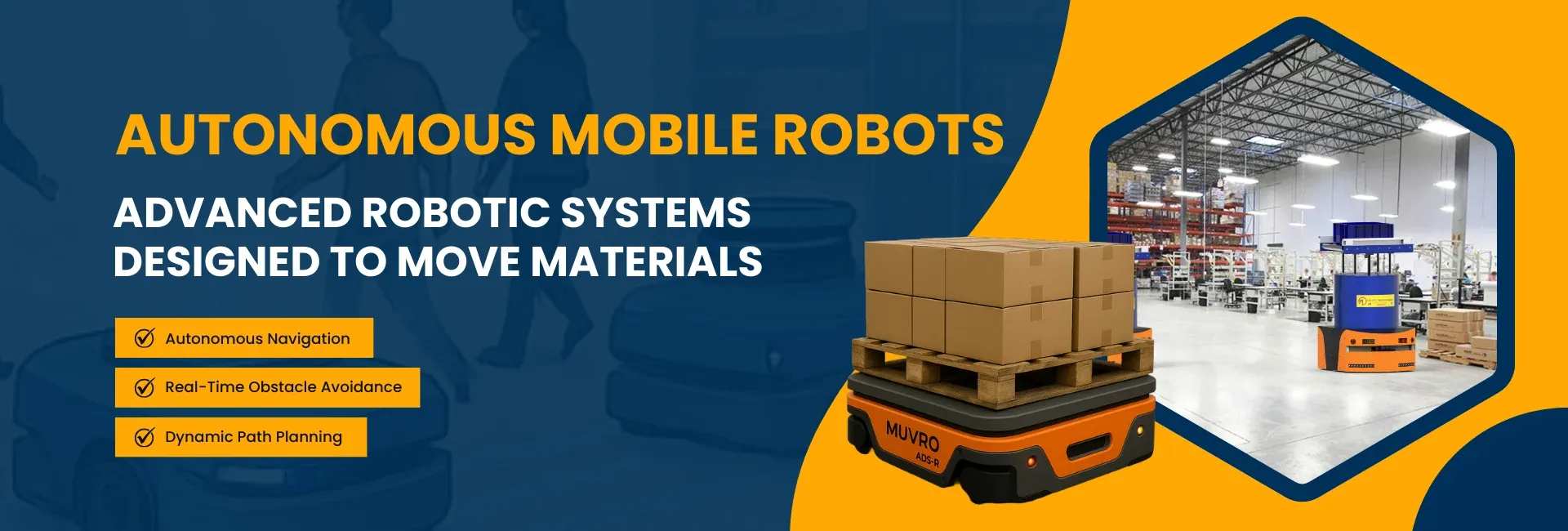
Autonomous Mobile Robots (AMRs) are sophisticated machines that can transport materials on their own and move around their environment without human intervention or fixed guidance systems such as tracks or wires. AMRs come equipped with sensors, cameras and intelligent navigation software that allow them to understand their environment, avoid collisions, and dynamically choose the most efficient routes in real time. Unlike conventional automated ...
AMRs are equipped with on-board sensors and mapping technology and are able to move autonomously without fixed tracks or guides.
AMRs have LiDAR, cameras and proximity sensors for detecting and avoiding people, objects or new obstacles on the fly.
AMRs calculate and modify their trajectory in real-time to find the optimal path, even in crowded or dynamic environments.
Enables the AMR to build, update and navigate a map of its environment without external guidance.
No complicated infrastructure like magnetic strips or rails – quick to install and scalable to different layouts.
Ability to integrate with Warehouse Management Systems (WMS), Manufacturing Execution Systems (MES) or ERP for task automation and data transfer.
The structural body containing all mechanical and electronic parts of the robot.
Electric motors, wheels (or tracks), and steering mechanisms to allow it to move and turn.
• LiDAR: 360° scanning of surroundings, detecting obstacles. • Cameras: visual navigation, barcode/QR code reading and object identification. • Ultrasonic / IR ...
Implements SLAM (Simultaneous Localization and Mapping) to generate and update a map of the environment in real time.
The unit that handles AI algorithms, path planning, task management and communication protocols.
Power Supply and Autonomous Charging of Rechargeable Battery System with Battery Management Unit (BMU).
Wireless systems (Wi-Fi, 4G/5G or Bluetooth) to interface with WMS, cloud servers or other robots.
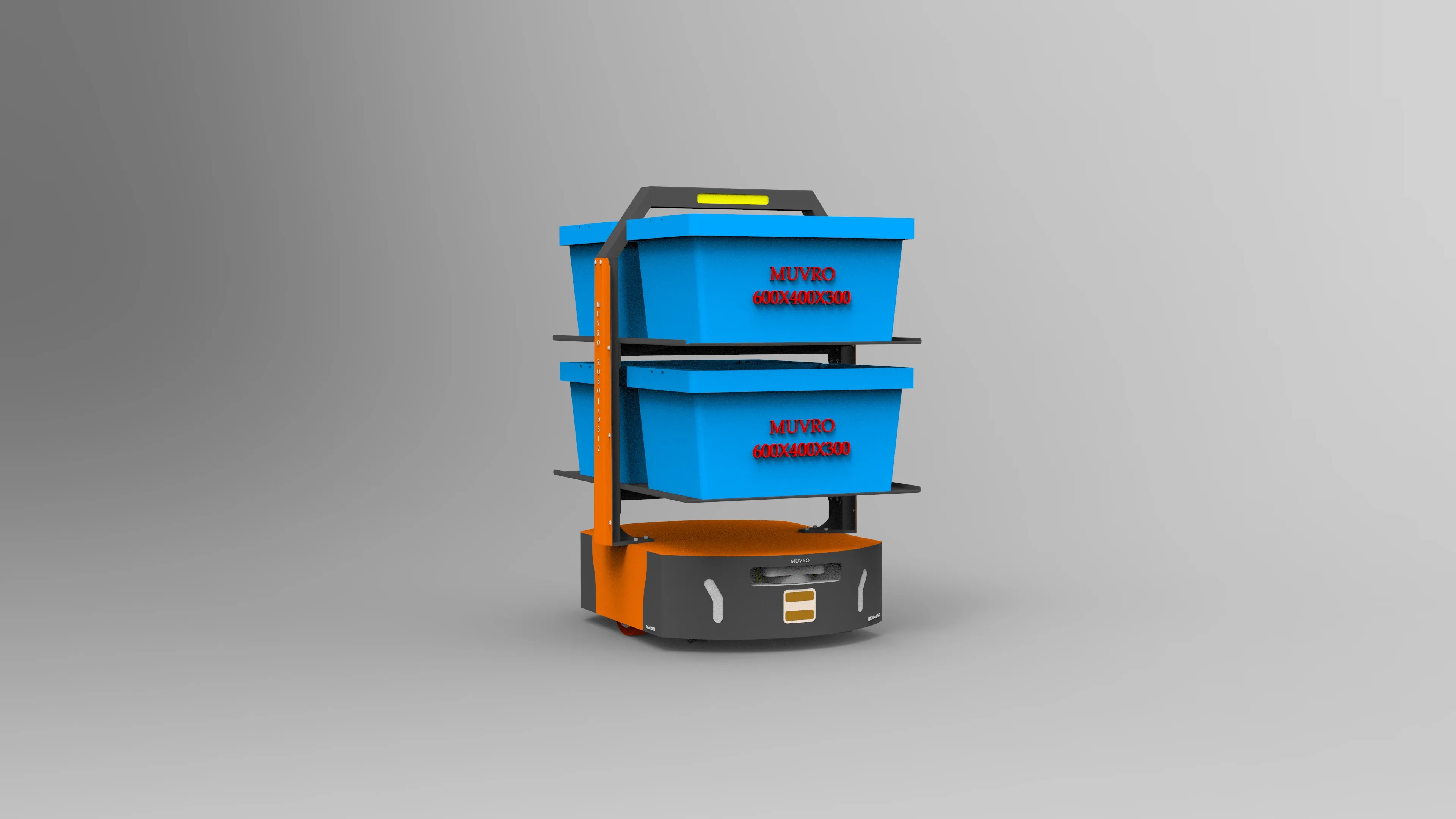
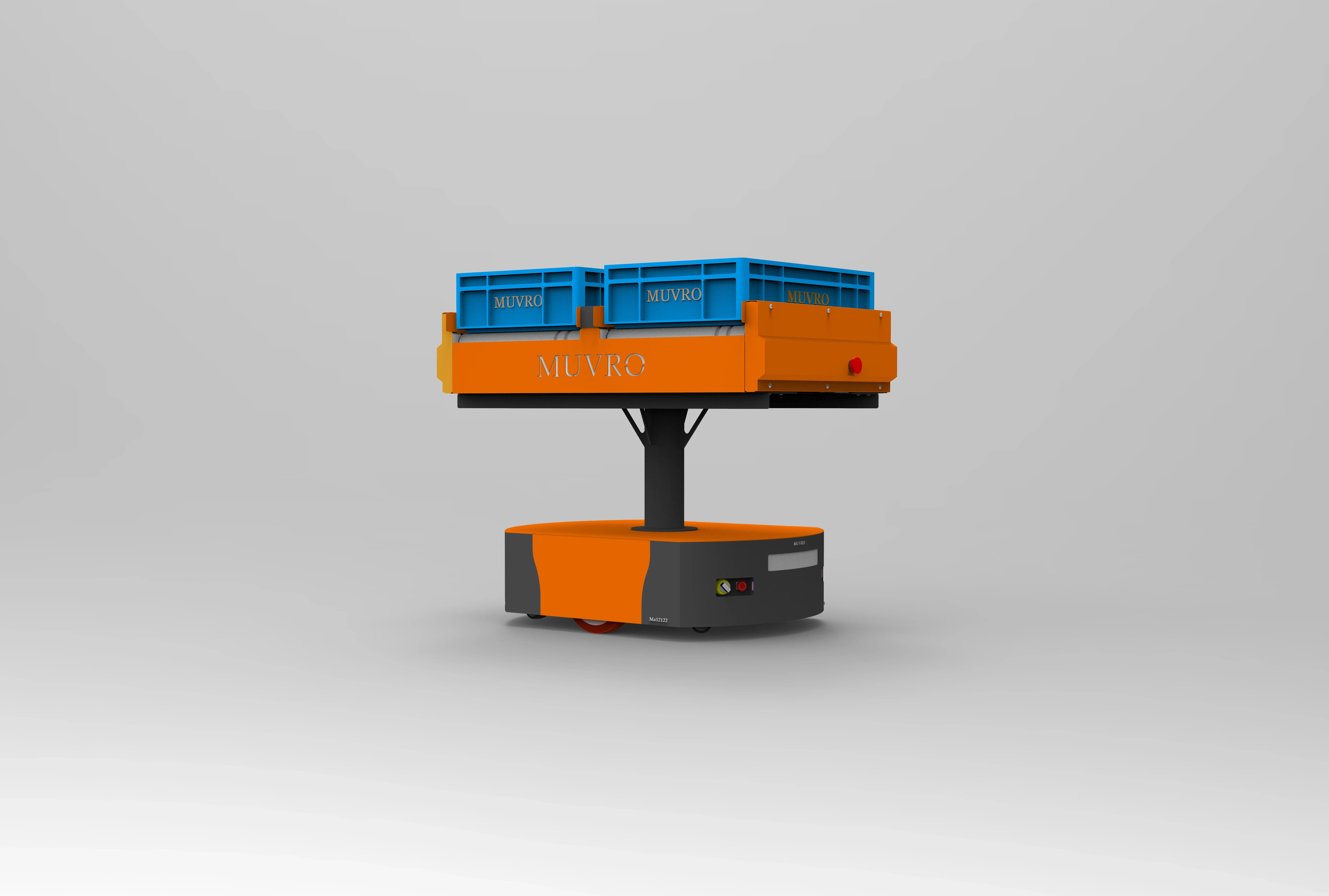
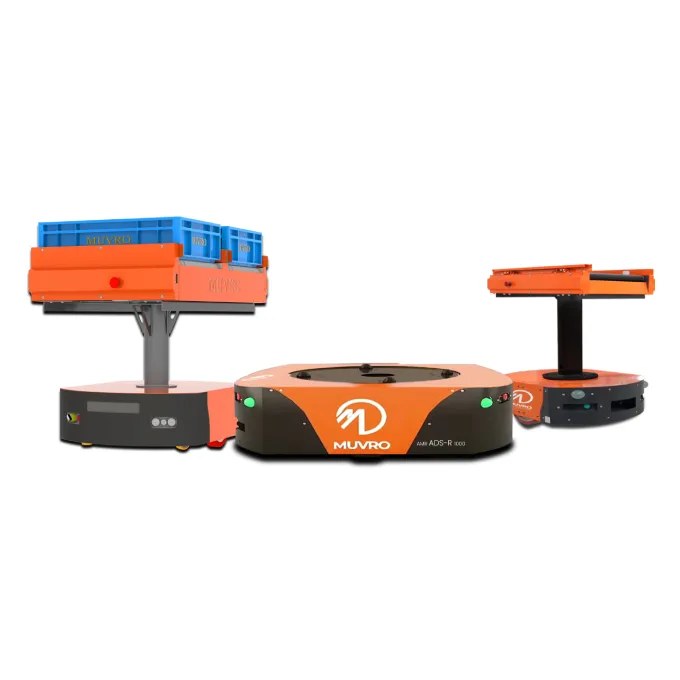
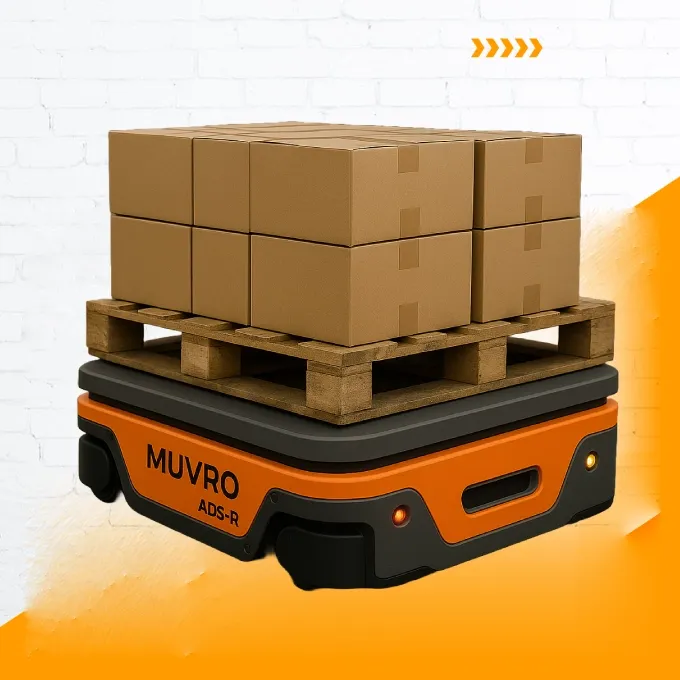
May include: Flat platforms Conveyor modules Robotic arms Lifting mechanisms Depending on application.
Touchscreens, buttons or mobile apps used by operators for control, monitoring and diagnostics
• Emergency stop push buttons • Bumpers • Zone sensors and light indicators Safe operation around humans and in dynamic environments.
The cost of AMRs and the infrastructure to support them (charging docks, software, integration systems, etc.) can be prohibitive for small to mid-sized businesses.
The integration of AMR with existing Warehouse Management Systems (WMS), ERP platforms, or manual workflows can be time-consuming and technically challenging.
AMRs depend on wireless connectivity and cloud-based systems, making them susceptible to cyberattacks if not properly secured.
The absence of industry-wide standards may lead to incompatibility issues between AMRs of different vendors or with existing automation infrastructure.
Dust, moisture, uneven surfaces or outdoor conditions can affect AMR sensor accuracy and movement, limiting where they can be deployed.
Employees need training to work safely around AMRs. This can slow adoption in traditional or low-tech environments.
Battery limits, though improving, can result in frequent recharging and less uptime if not combined with fleet optimization software.
Shifting from a couple of AMRs to a full fleet requires careful planning, coordination of space and often upgrades to infrastructure.
AMRs are subject to different safety, labour and automation regulations depending on the region, which can slow the deployment of AMRs across borders or sectors.
AMRs can boost productivity, but the return on investment can be slow and depends on factors such as the volume of use, task efficiency and labour costs.
Connect with our automation specialists to discover efficient, reliable, and cost-effective material handling and warehouse solutions tailored to your business needs.