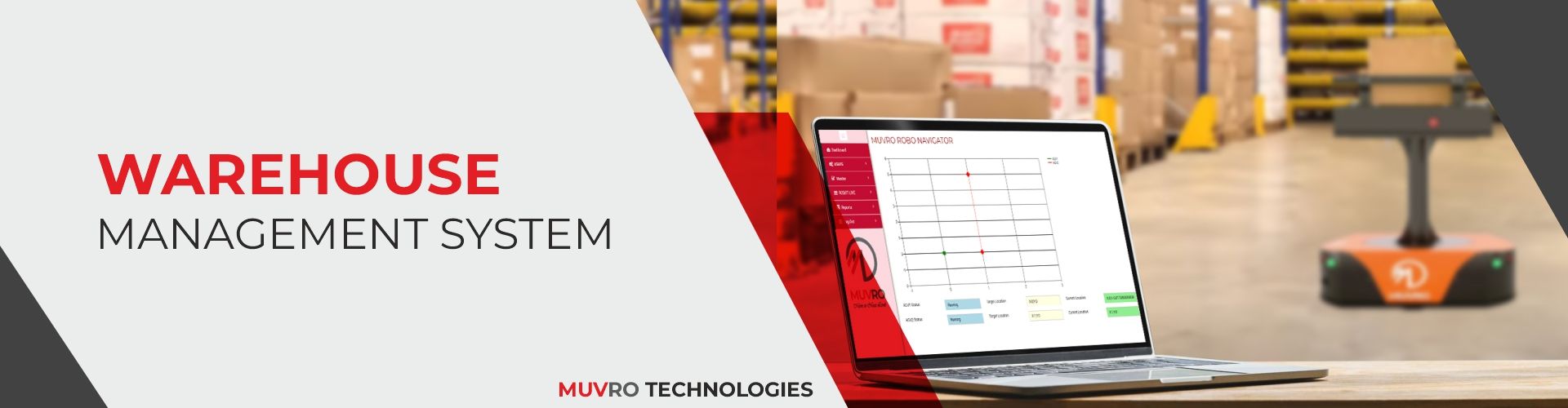
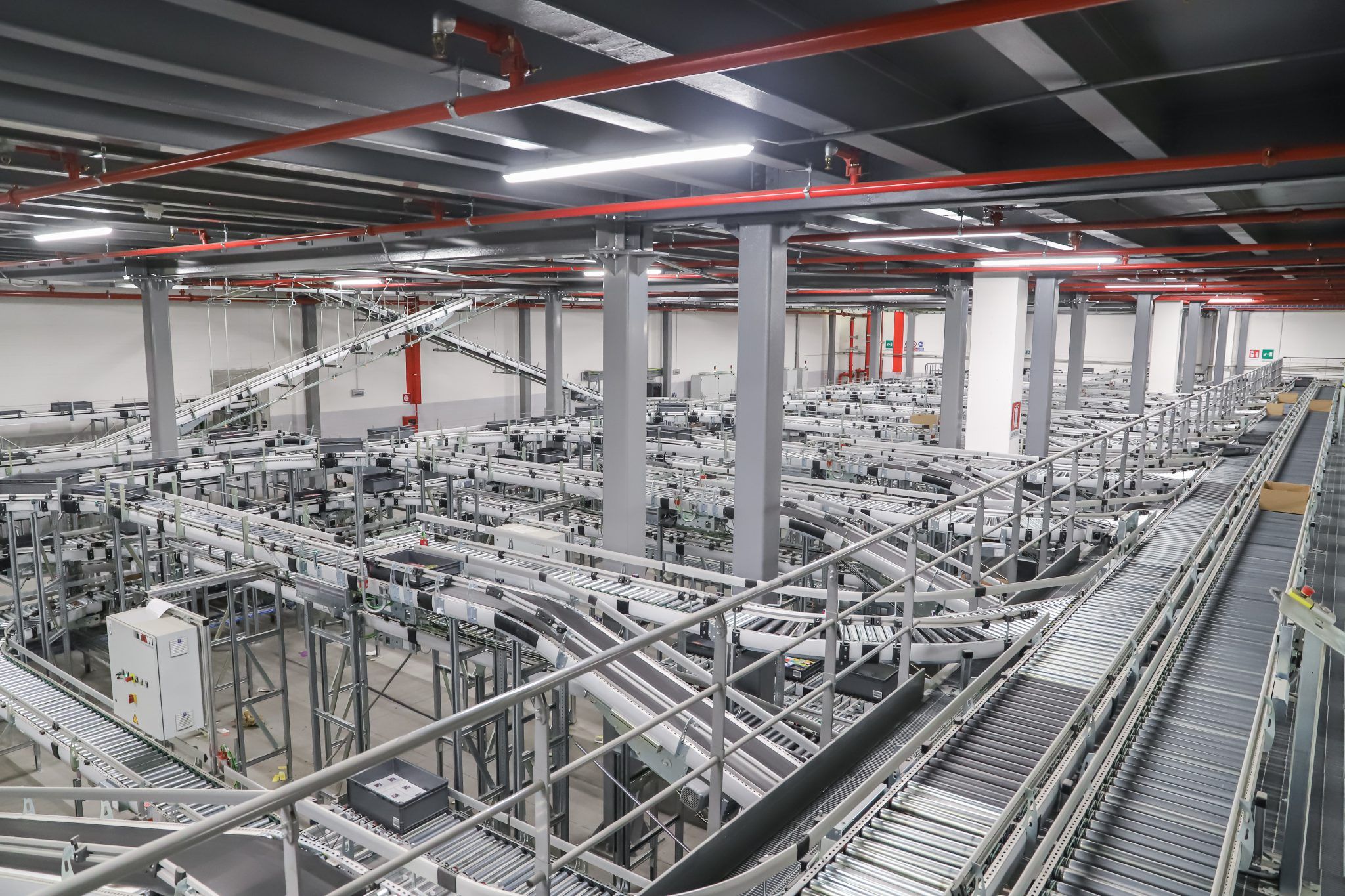
A warehouse management system (WMS) consists of software and processes that allow organizations to control and administer warehouse operations from the time goods or materials enter a warehouse until they move out.
Features of warehouse management systems
Many features are common to WMS software products . They include the following:
- Warehouse design, which enables organizations to customize workflow and picking logic to make sure that the warehouse is designed for optimized inventory allocation.
- The WMS establishes bin slotting that maximizes storage space and accounts for variances in seasonal inventory. Inventory tracking, which enables the use of advanced tracking and automatic identification and data capture(AIDC) systems, including RFID and barcode scanners to make sure that goods can be found easily when they need to move.
- Receiving and putaway, which allows inventory putaway and retrieval, often with pick-to-light or pick-to-voice technology to help warehouse workers locate goods.
- Picking and packing goods, including zone picking, wave picking and batch picking. Warehouse workers can also use lot zoning and task interleaving functions to guide the pick-and-pack tasks in the most efficient way.
- Shipping, which enables the WMS to send bills of lading (B/L) ahead of the shipment, generate packing lists and invoices for the shipment and send advance shipment notifications to recipients.
- Labor management, which helps warehouse managers monitor workers’ performance by using key performance indicators (KPIs) that indicate workers who perform above or below standards.
- Yard and dock management, which assists truck drivers coming into a warehouse to find the right loading docks. A more complex use of yard and dock management enables cross-docking and other functions of inbound and outbound logistics.
- Reporting, which helps managers analyze the performance of warehouse operations and find areas to improve.